

What are
Dark Eye Circles?
More than just tired eyes. Understanding what's really behind dark circles.
Dark eye circles and under-eye concerns are common across all ages and skin types. While usually harmless, changes in the under-eye area can contribute to a persistently tired or aged appearance and affect confidence.
Because dark circles can arise from several different causes, understanding the underlying factor is essential before recommending a suitable treatment approach.
Types of Dark Eye Circles
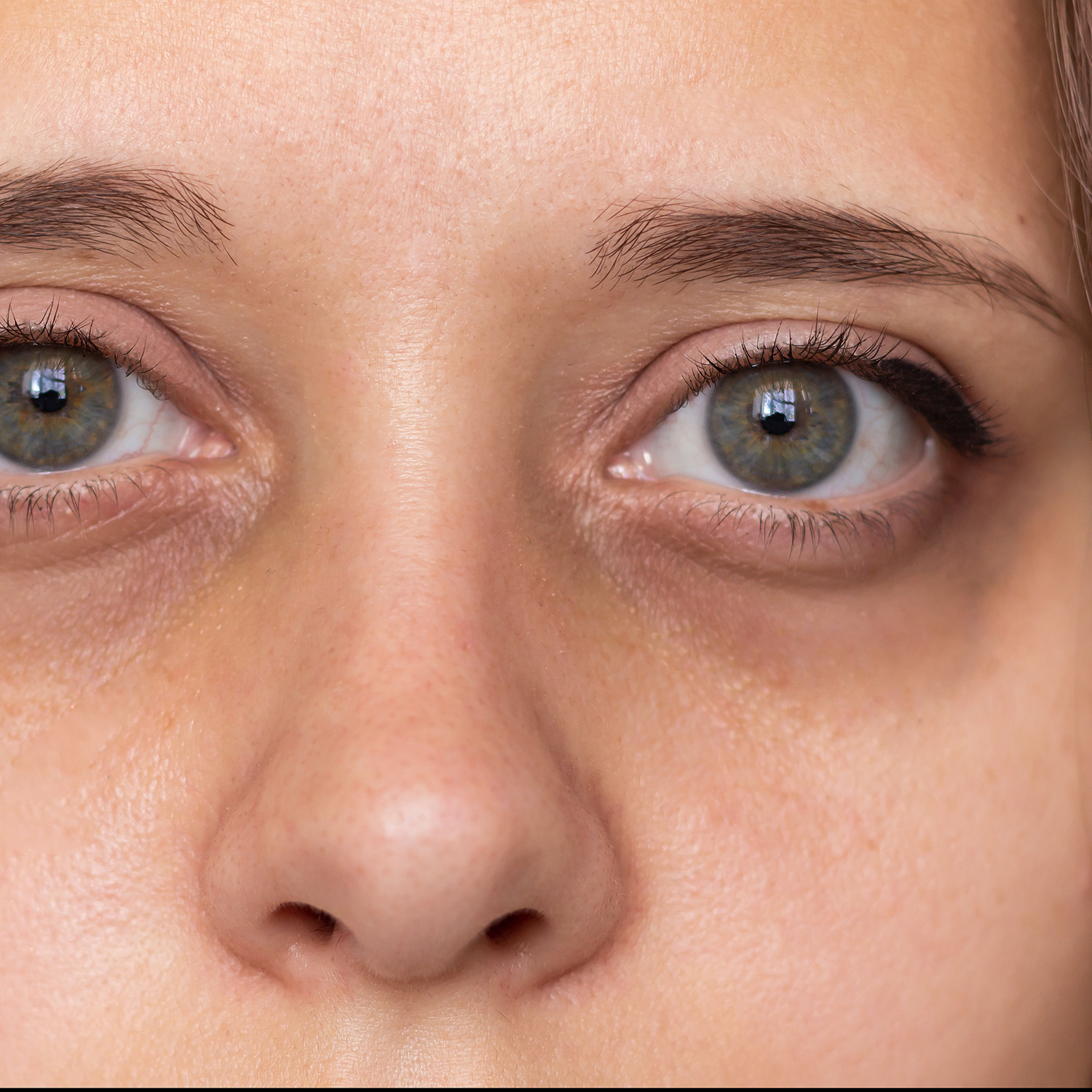
Skin Pigmentation
Increased melanin deposition around the eyes creates a darker appearance. May be related to genetics, chronic sun exposure, or longstanding skin irritation.
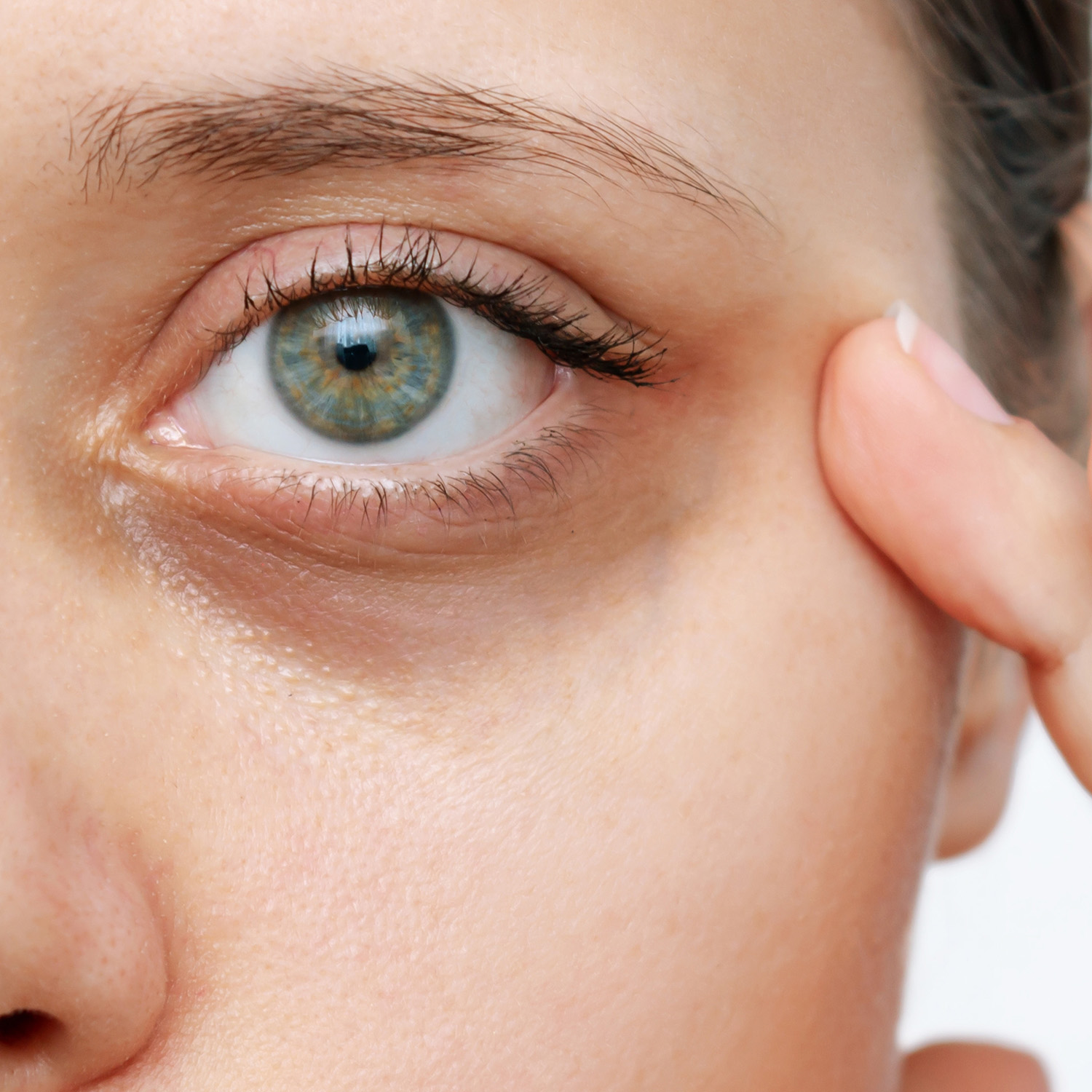
Vascular Causes
When the under-eye skin is thin and translucent, underlying blood vessels become more visible, giving a blue or purplish tone.
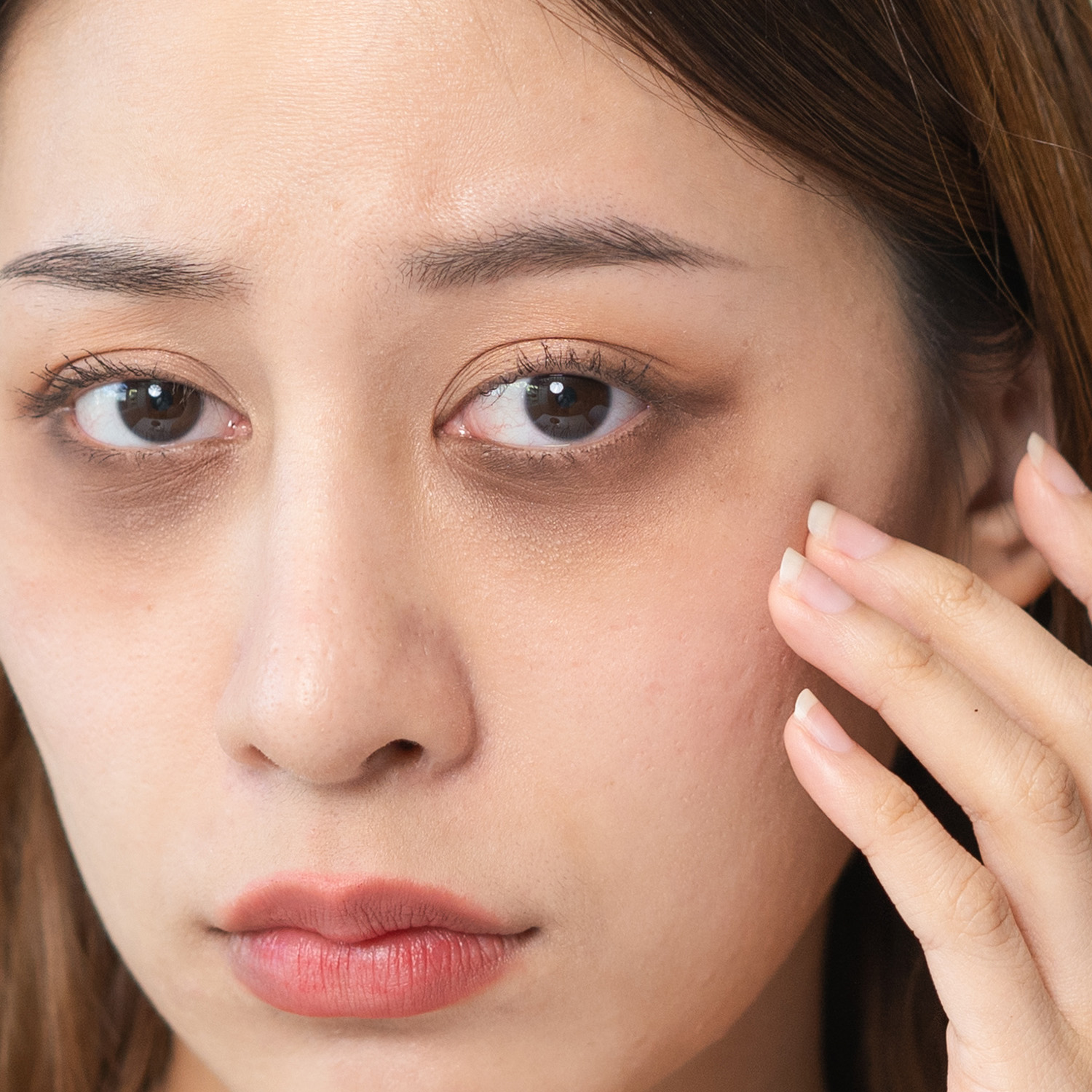
Volume Loss & Hollowing
Age-related reduction of bone and fat support creates hollowing at the tear trough, casting a shadow that contributes to a darker and more tired look.
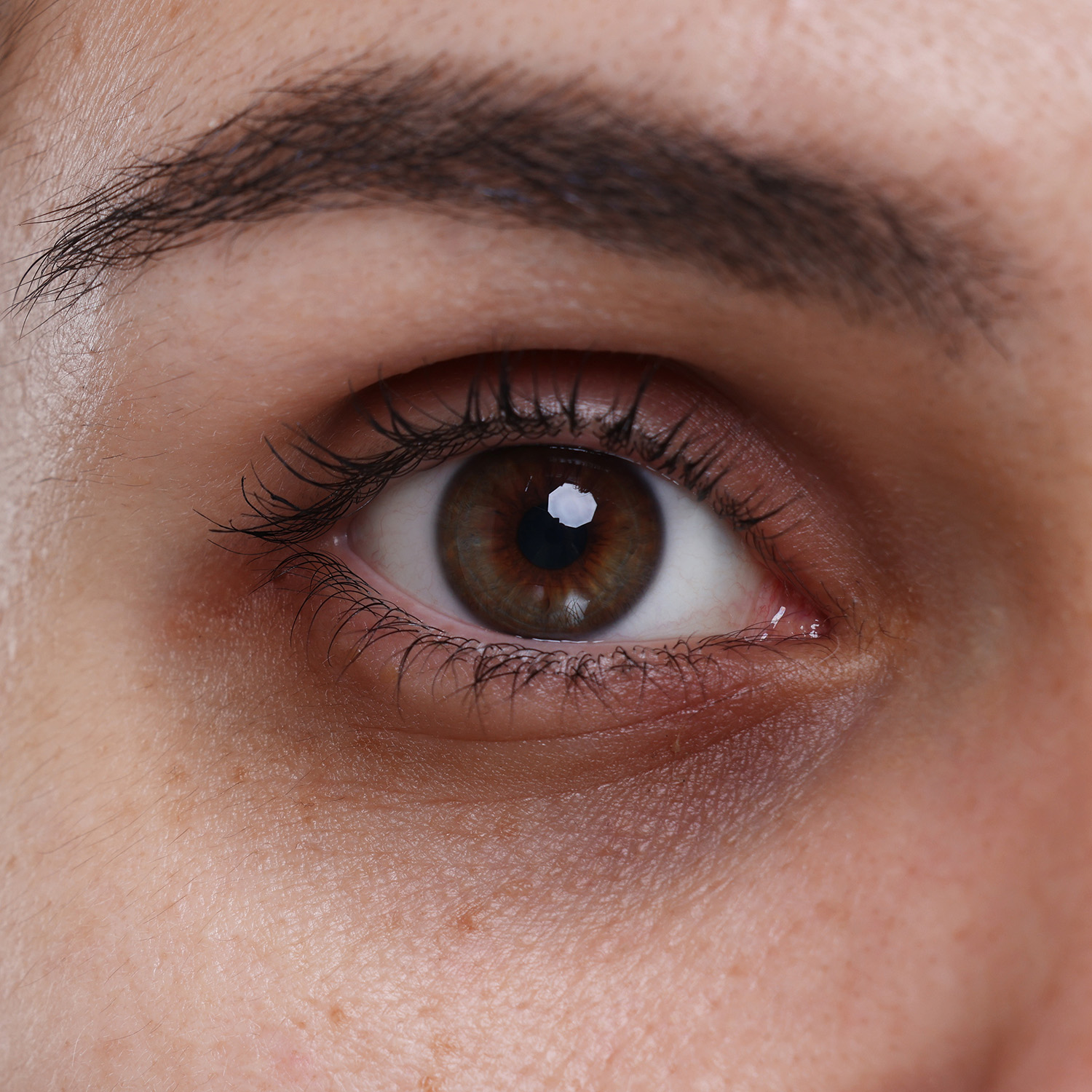
Mixed Causes
Many patients experience a combination of the above. A tailored treatment plan addressing multiple factors typically produces the best outcome.
What causes dark eye circles?
Genetics
A predisposition to thin under-eye skin, pigmentation, or visible vessels can run in families and appear from a young age.
Ageing
Loss of volume, thinning skin, and reduced collagen support around the eyes become more pronounced with age.
Sun exposure
UV triggers melanin production, worsening pigmentation-related dark circles over time.
Lifestyle factors
Lack of sleep, stress, dehydration, and allergies can worsen the appearance of dark circles.
Skin thinning
As the under-eye skin becomes more translucent, underlying structures become more visible.
Recommended
Treatments
For patients with mixed causes, a combination approach typically delivers the most comprehensive improvement.
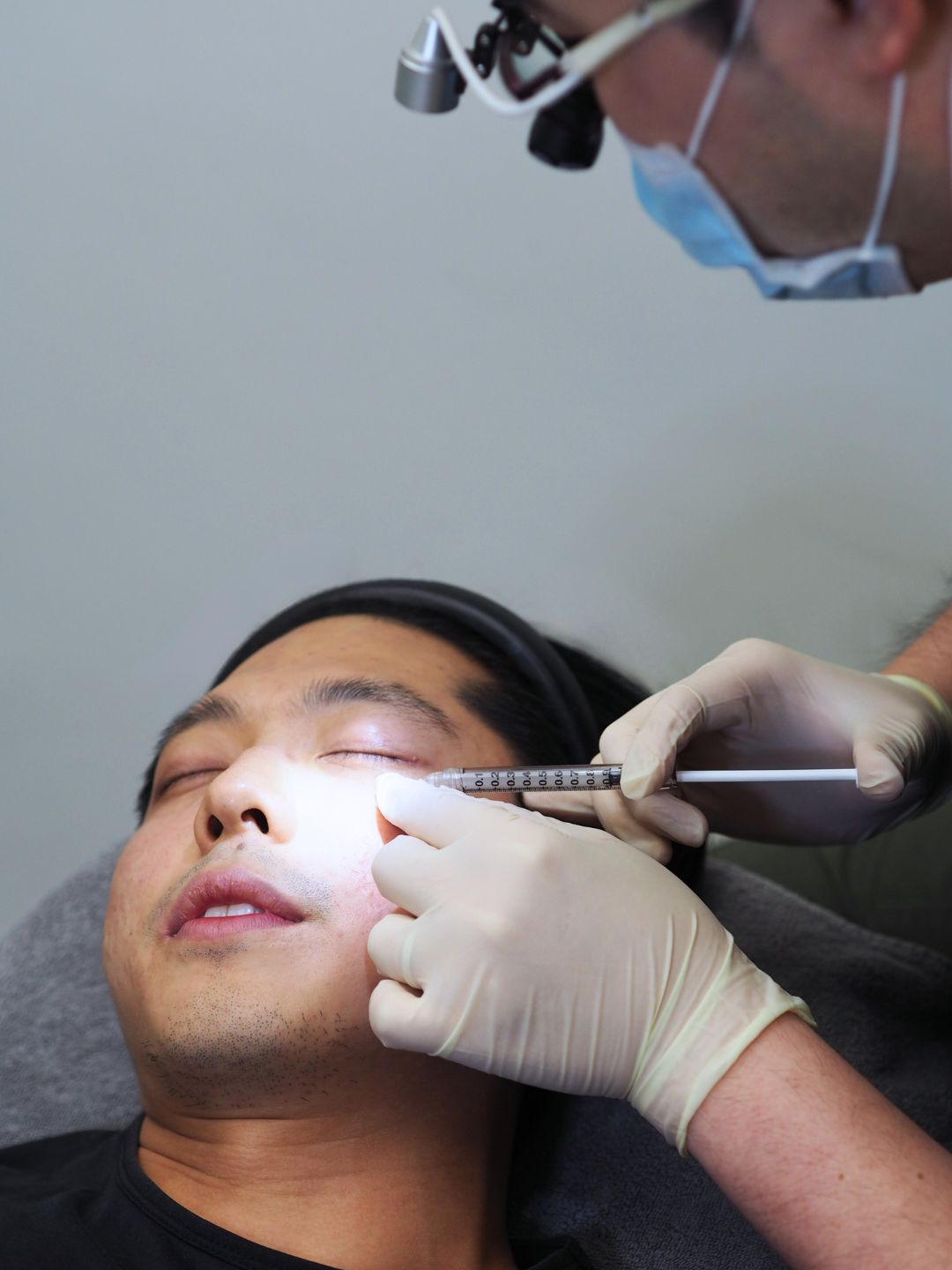
What to Expect
Results depend on the underlying cause of your dark circles. Structural treatments such as collagen injections show immediate improvement, with results refining over the following weeks.
Pigmentation-targeting lasers work progressively across sessions. Collagen-stimulating treatments like Density RF build results gradually over 8–12 weeks.
For patients with mixed causes, a combination approach addressing volume, pigmentation, and skin quality together typically delivers the most comprehensive improvement.
Frequently Asked
Questions
If your concerns persist despite adequate rest, skincare, and sun protection, a medical assessment can help identify the underlying cause and discuss suitable treatment options.
Some causes, such as mild inflammation or temporary lifestyle factors, may gradually improve. However, structural or pigment-related causes often require targeted treatment.
When performed by trained medical professionals using appropriate techniques, these treatments can be administered safely.
Results vary depending on the cause and treatment selected. Some treatments work gradually over weeks, while others may require a series of sessions.
Disclaimer
This page is for general educational purposes and does not constitute medical advice. Please consult our doctors for an accurate diagnosis and personalised treatment recommendations.