

What are
Droopy Eyelids?
When your eyes look tired, even when you're not.
Droopy eyelids, medically known as ptosis, occur when the upper eyelid hangs lower than its normal position. While commonly associated with ageing, this condition can affect younger individuals due to genetics, lifestyle habits, or muscle weakness.
In more severe cases, droopy eyelids may partially obstruct vision or cause eye fatigue.
Types of Droopy Eyelids
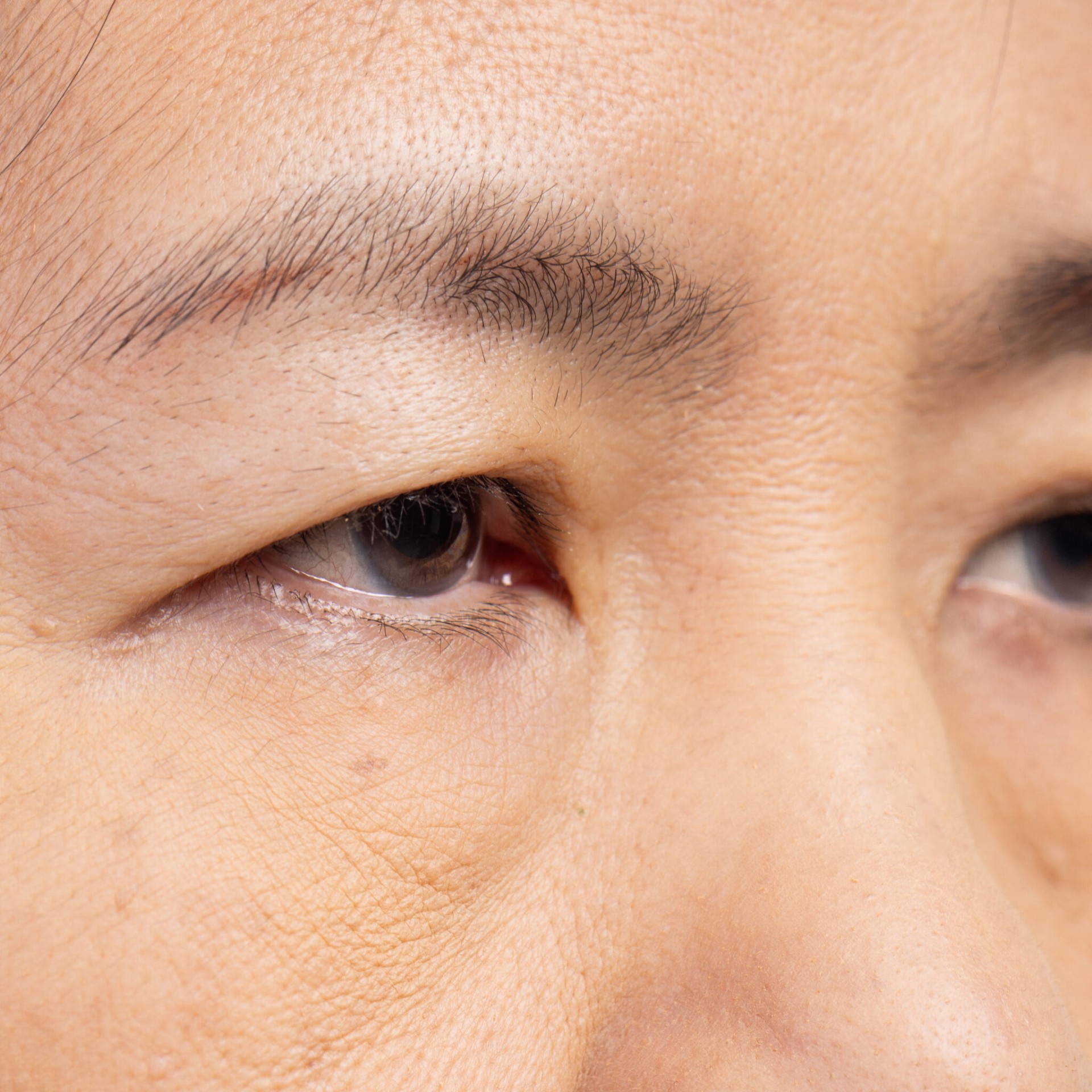
True Ptosis
The upper eyelid droops due to weakened or stretched levator muscles, often associated with ageing or genetics.
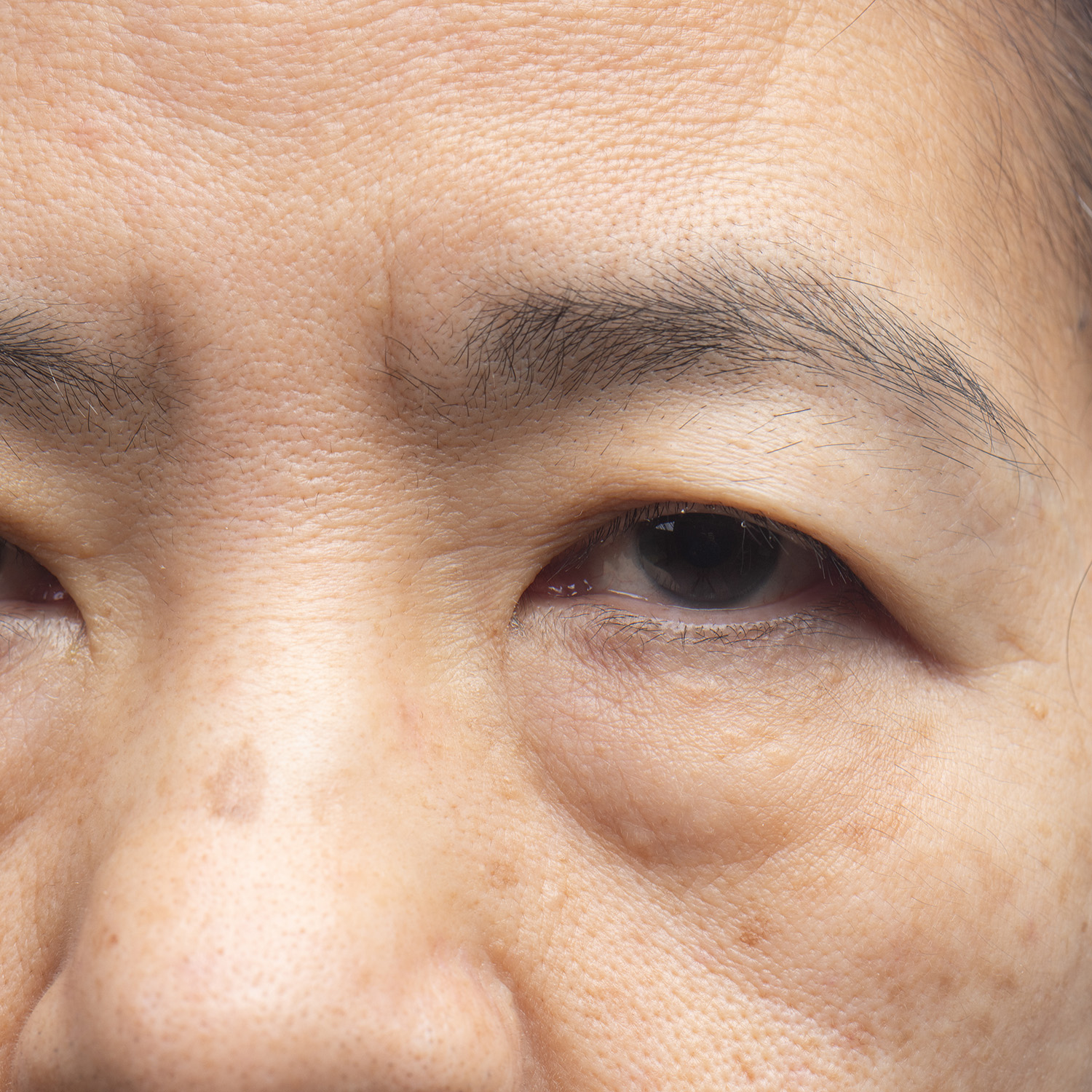
Dermatochalasis
Excess eyelid skin folds over the lash line, creating a heavy, hooded appearance. Common with age-related skin laxity.
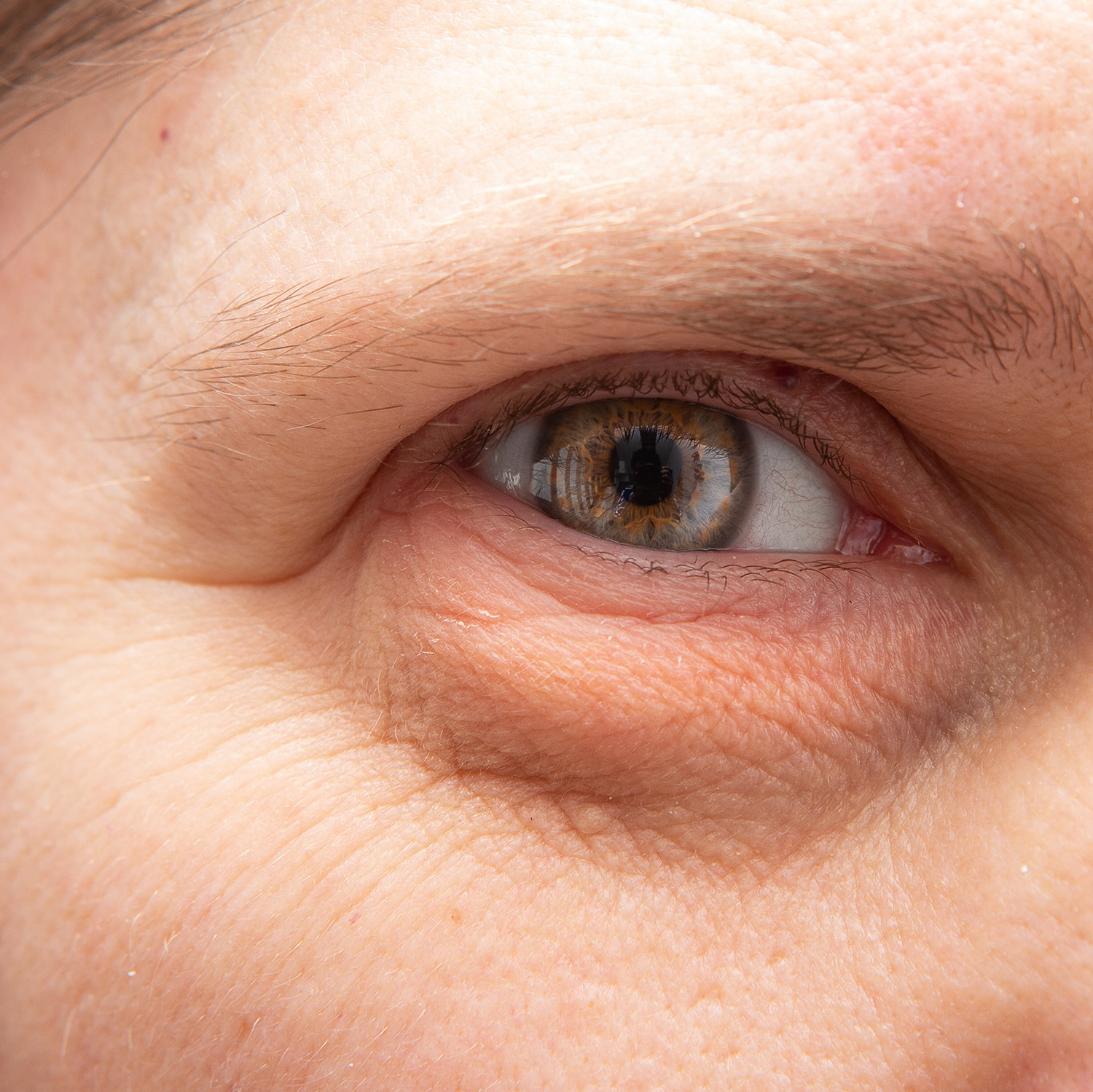
Brow Ptosis
Descent of the eyebrow causes a heavy, tired look around the upper eye area. Often mistaken for eyelid drooping.
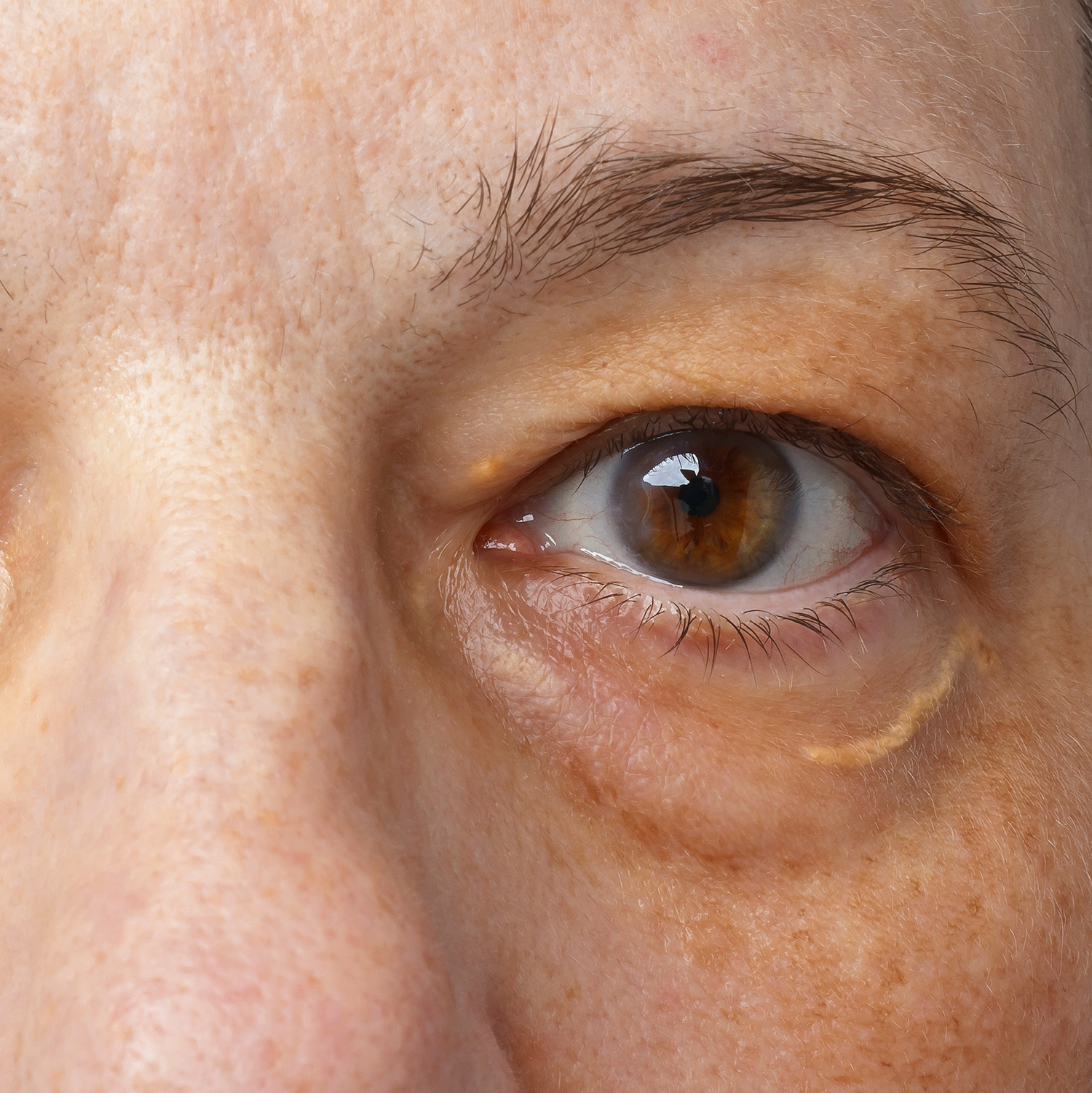
Volume Loss
Hollowing in the temples or forehead reduces structural support around the eyes, worsening the appearance of droopiness.
What causes droopy eyelids?
Natural Ageing
Collagen loss, reduced elasticity, and weakening of eyelid muscles contribute to sagging and heaviness over time.
Volume Loss Around the Eyes
Hollowing in the temples, brows, or upper face reduces structural support, worsening the appearance of droopiness.
Genetics
Some individuals naturally develop lower eyelids or weaker levator muscles, even at a young age.
Lifestyle Factors
Chronic eye rubbing, extended screen time, or long-term contact lens use may strain and stretch the eyelid over time.
Medical Conditions or Injury
Past inflammation, trauma, or neurological conditions may affect eyelid muscle function and cause persistent drooping.
Recommended
Treatments
When droopy eyelids obstruct vision significantly, a referral to a specialist surgeon will be recommended.
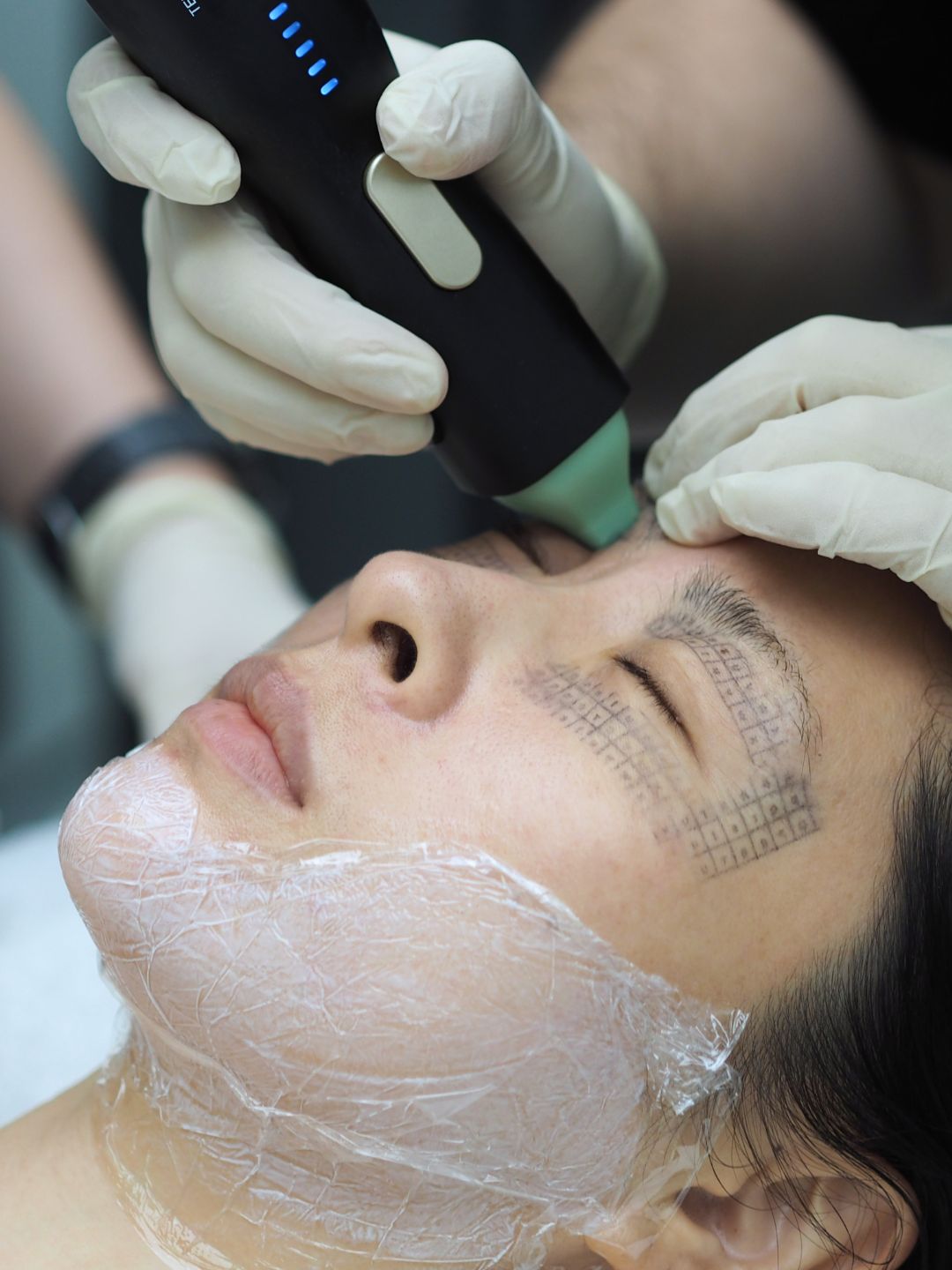
What to Expect
Non-surgical treatments for droopy eyelids work gradually and are most effective for mild to moderate cases.
Collagen-stimulating treatments such as Density RF and HIFU typically require a series of sessions, with improvements building over weeks to months.
Injectable treatments such as botulinum toxin show results within 2 weeks and are maintained with periodic top-ups. Filler-based structural support shows results immediately.
Frequently Asked
Questions
Yes. A medical assessment helps identify whether the droopiness is due to skin laxity, brow descent, muscle weakness, or a combination of causes.
Non-surgical options can help mild to moderate cases. Severe ptosis affecting vision or with significant muscle dysfunction requires surgical correction.
When performed by trained medical professionals, all treatments offered at Reborn are medically guided and tailored to your condition.
Energy-based treatments like RF and HIFU typically last 6–12 months. Botulinum toxin effects last 3–6 months. Filler results may last 9–18 months.
Disclaimer
This page is for general educational purposes and does not constitute medical advice. Please consult our doctors for an accurate diagnosis and personalised treatment recommendations.