

What is
Hair Loss?
Thicker, healthier hair starts with understanding what's happening at the root.
Hair loss is one of the most common concerns affecting both men and women. It can occur gradually with age, suddenly after stress or illness, or progressively due to genetics and hormones.
While some shedding is part of the normal hair cycle, persistent thinning, receding hairlines, or visible scalp can affect confidence. A medical assessment helps identify the underlying cause and the most appropriate treatment.
Types of Hair Loss
Hair loss varies by cause and pattern, which influences the treatment approach.
What causes hair loss?
Genetics
Family history is the strongest predictor of pattern hair loss in both men and women.
Hormonal changes
Pregnancy, menopause, thyroid imbalance, and androgen sensitivity can all trigger thinning.
Ageing
Hair follicles naturally miniaturise over time, producing finer, shorter strands.
Stress & illness
Major physical or emotional stress can push follicles into a shedding phase.
Nutritional deficiency
Low iron, vitamin D, B12, or protein intake can weaken hair growth.
Scalp health
Inflammation, build-up, or poor circulation at the scalp impairs follicle function.
Recommended
Treatments
Our doctors will assess your scalp and hair loss pattern to recommend a personalised treatment plan.
Professional Hair Nutrition Supplements
Clinically researched oral supplements designed to reduce stress hormone levels and improve the body's resilience to stress-induced hair loss. These supplements support healthier scalp and hair and increase hair growth, thickness, volume and quality.
Hair Growth Support Supplements
Scientifically formulated supplements that help maintain the normal Hair Growth Cycle. Rich in proteoglycans, these nutrients help induce follicles back into the Anagen phase, restarting the growth process and supporting long-term hair health.
Topical, Oral and Scalp-injected Medications
Depending on the cause, hair loss medications can be prescribed. They have good scientific evidence in managing and slowing hair loss.
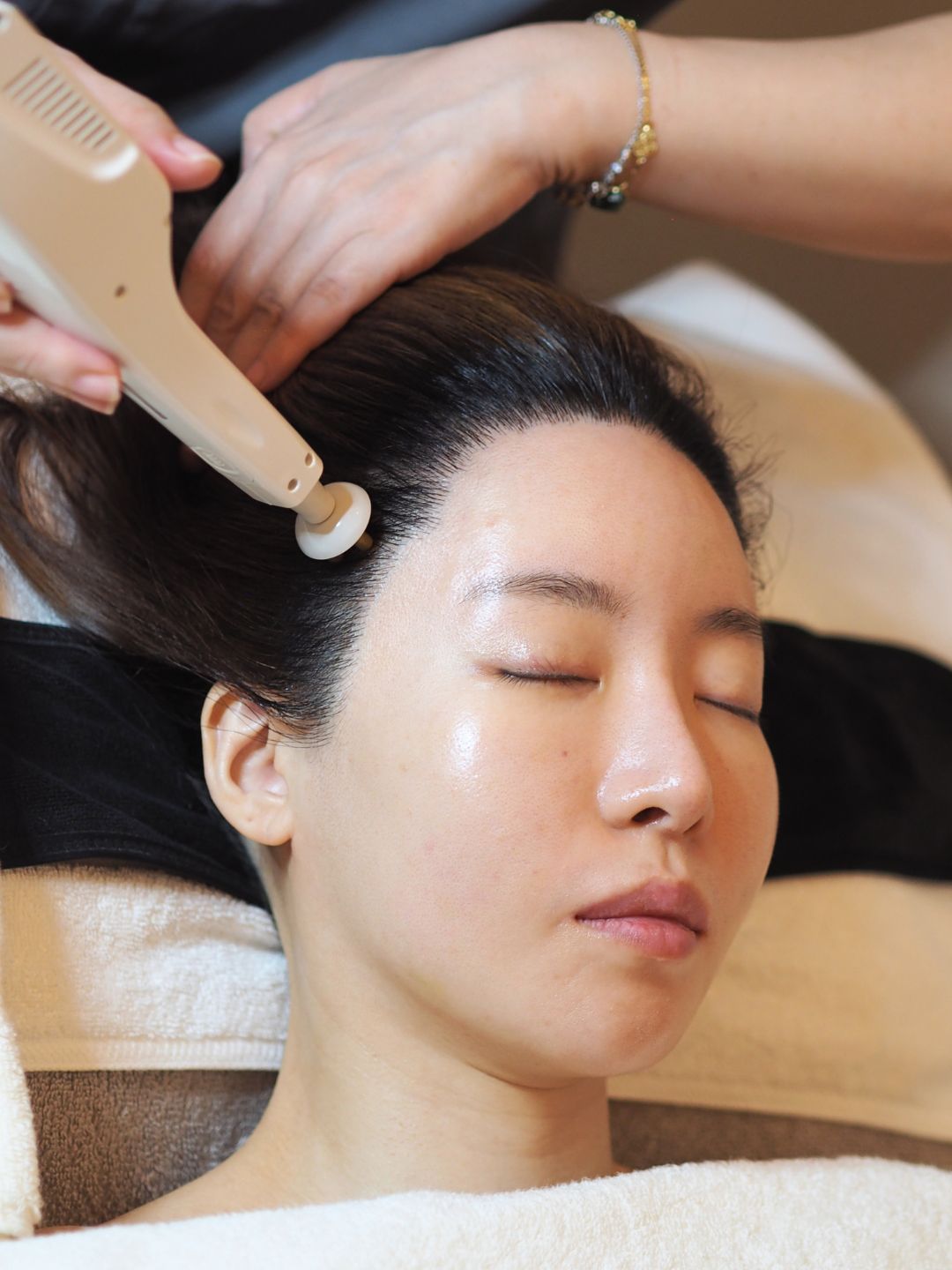
Follicell: Microneedling with Exosomes
This treatment uses microneedling to create controlled micro-injuries and tiny channels in the scalp, promoting healing and regeneration. The process boosts blood circulation and allows for the penetration of exosomes into the deeper layers to the hair follicles. Exosome therapy further supports scalp health, stimulates follicle reactivation, reduces inflammation to increase hair regrowth and reduce thinning.
What to Expect
Hair loss treatment is a gradual process. Early intervention generally produces the best results.
Most patients notice reduced shedding within the first 1–2 months, with visible thickening developing across 3–6 months.
Consistency and a personalised maintenance plan are key to sustaining results long-term.
Frequently Asked
Questions
Yes — early medical assessment helps identify the cause and gives the best chance of successful treatment. Some forms of hair loss are reversible if treated promptly.
Temporary hair loss such as telogen effluvium may recover naturally. However, genetic and progressive types typically require treatment to stop further loss and stimulate regrowth.
Yes — when performed by trained doctors using clinically proven protocols. Your suitability will be assessed during consultation.
Most patients see reduced shedding within 1–2 months and visible thickening across 3–6 months. Results continue to develop with consistent treatment.
Most hair loss conditions are chronic, so maintenance treatment is recommended to preserve results long-term.
Disclaimer
This page is for general educational purposes and does not constitute medical advice. Please consult our doctors for an accurate diagnosis and personalised treatment recommendations.